









How Much Slippage is Normal? What Should Traders Expect
In the fast-paced world of financial trading, slippage is an unavoidable reality that every trader encounters. Between the moment a trader clicks buy or sell and the moment the order is executed, the market may move. This phenomenon is known as slippage. Notably, it can lead to unexpected gains or losses, influencing profitability and trader strategies.
Understanding how much slippage is normal and what traders should realistically expect is crucial for managing risk, evaluating broker performance, and improving overall trading consistency. In this article, we will explore what slippage is, why it happens, and how much slippage is normal across different markets, among other things.
What Is Slippage in Trading?
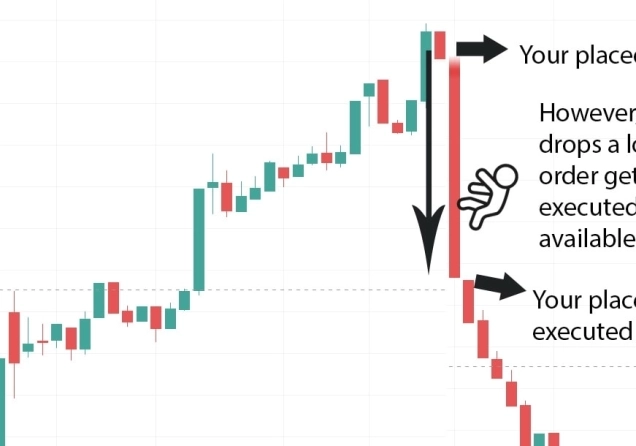
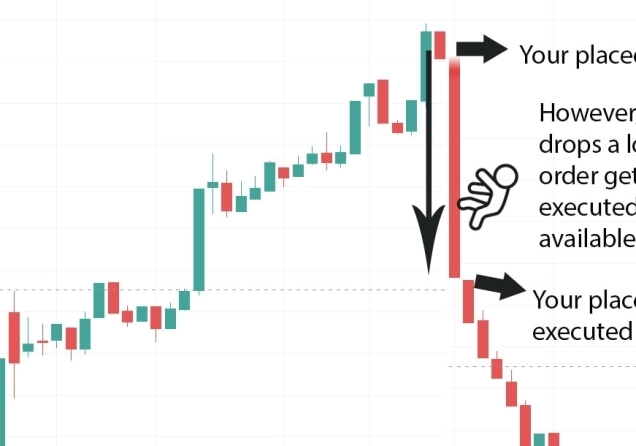
Slippage in trading refers to the difference between the expected price of a trade and the actual price at which the trade is executed. It happens when market conditions change quickly between the moment a trader places an order and the moment it is filled. In simple terms, a trader asks to buy or sell at one price, but the market fills the order at another.
Slippage can be positive or negative. Negative slippage occurs when you get a worse price than expected, while positive slippage happens when you receive a better price than requested. Although traders often associate slippage with losses, it is not always unfavourable. Understanding both is important. Consistently experiencing negative slippage can erode profits and indicate execution issues, whereas positive slippage can occasionally boost returns.
Slippage commonly occurs during high volatility, such as during major economic news releases, market openings, or sudden price spikes. In these situations, prices move so fast that there may not be enough liquidity at your requested price, forcing the order to be filled at the next available level.
Execution speed also plays a role. Delays caused by slow internet connections, inefficient trading platforms, or poor broker infrastructure can increase slippage. Even milliseconds matter during fast-moving market conditions. That is also why speed of execution remains one of the most researched factors when traders evaluate brokers.

How Much Slippage is Normal?
There is no universal normal slippage because it is a function of liquidity and volatility. Moreover, it manifests differently across asset classes due to varying market structures and participant behaviours. It is entirely context-dependent. Traders must assess normality through several perspectives:
The Asset Class
Slippage varies significantly across asset classes due to differences in liquidity, trading hours, and market structure. Forex markets, especially major currency pairs like EURUSD, typically experience low slippage under normal conditions because of deep liquidity and continuous trading. However, exotic pairs and low-liquidity sessions can still see sharp price jumps.
In stocks, slippage depends heavily on the stock’s market capitalisation and trading volume. Large-cap stocks traded on major exchanges usually have tight bid-ask spreads and minimal slippage. In contrast, small-cap or penny stocks are far more prone to slippage, especially outside regular trading hours.
In cryptocurrency markets, slippage is often more pronounced due to fragmented liquidity, varying exchange depth, and 24/7 trading. Smaller tokens and decentralised exchanges (DEXs) are particularly vulnerable to slippage, even during normal market conditions.
Market Conditions
Market conditions play a major role in determining the likelihood and size of slippage. During high-volatility events, such as economic data releases, earnings announcements, or geopolitical news, prices can move rapidly, leaving limited liquidity at requested prices. Slippage is also common during low-liquidity periods, including market opens, closes, holiday sessions, and overnight trading hours. For example, in forex trading, the transition between trading sessions often leads to lower liquidity and sudden price movements.
Order Type and Size
The type of order used also has a direct impact on slippage. Market orders are the most vulnerable because they prioritise immediate execution over price, meaning they are filled at the best available price. Limit orders largely eliminate slippage by specifying a maximum buy price or minimum sell price. However, the trade-off is that the order may not be filled at all if the market does not reach that price. Stop orders can experience slippage because they convert into market orders once triggered.
Order size also matters. Large orders may consume multiple price levels in the order book, leading to partial fills at worse prices. This is common in low-liquidity assets, or when institutional-sized (very large orders) trades are placed in retail-oriented markets.
Trading Strategy
Slippage affects trading strategies differently depending on the trading period and execution sensitivity. Scalping strategies are highly vulnerable to slippage because they rely on small, frequent profits. For this strategy, even a single tick of slippage can turn a profitable strategy into a losing one.

Day trading strategies are moderately affected. While slippage still matters, wider profit targets and stop-loss levels reduce its relative impact. However, repeated slippage over many trades can still meaningfully reduce overall performance. Swing and position traders are typically the least affected by slippage. Their trades target larger price moves over longer periods. This makes small execution differences less significant. For these traders, slippage becomes more relevant during entry and exit around major market events.
What Traders Should Realistically Expect
When viewed through these different lenses, slippage becomes easier to interpret and manage. In practical terms, traders should expect some level of slippage at any broker as a normal cost of participation, not as broker failure. Nonetheless, slippage is usually small and manageable in normal market conditions. For major forex pairs, typical slippage ranges from 0 to 0.3 pips during active trading sessions. Slippage above 1 pip on these pairs is generally considered high.
In less liquid forex pairs, such as minor or exotic currencies, slippage is more noticeable. Traders can realistically expect 0.5 to 2 pips during normal conditions, with larger deviations occurring during session overlaps or news releases. Around major economic announcements, slippage of 2 to 5 pips or more is not uncommon, even with reputable brokers.
For stocks, slippage is often measured as a percentage rather than in fixed units. Large-cap, highly liquid stocks typically experience 0.01% to 0.05% slippage per trade under normal conditions. In contrast, small-cap or thinly traded stocks may see 0.2% to 1% slippage, particularly when trading outside regular market hours.
In cryptocurrency markets, slippage is generally higher due to fragmented liquidity and rapid price changes. On major exchanges, large-cap cryptocurrencies such as Bitcoin and Ethereum may experience 0.05% to 0.2% slippage during stable periods. Smaller tokens or decentralised exchanges can easily see 0.5% to 2% slippage.
When Slippage Becomes a Problem
While slippage is normal, excessive or asymmetric slippage can be a warning sign. If a trader consistently experiences large negative slippage during calm market conditions, it may indicate poor execution quality or insufficient liquidity.
Another red flag is when negative slippage occurs frequently, but positive slippage rarely does. In a fair execution environment, both outcomes should be possible depending on market movement. Importantly, traders should also distinguish between slippage caused by market conditions and slippage caused by poor trade timing. Entering trades during illiquid periods can lead to repeated negative slippage.
Final Comments
Slippage is a normal part of trading, and understanding it is essential for any trader looking to manage risk effectively. While it can be frustrating, a certain level of slippage is normal across all markets and asset classes. Major forex pairs, large-cap stocks, and top cryptocurrencies typically experience minimal slippage under normal conditions. In contrast, thinly traded stocks, exotic currencies, and smaller crypto tokens are affected more by price fluctuations.
Further, understanding slippage in the context of liquidity, volatility, and order type can help traders better refine their strategies. Traders can’t eliminate slippage entirely, but they can take practical steps to minimise its impact. Ultimately, awareness and preparation are the keys to navigating slippage and maintaining consistent trading performance.


Top-Tier Trusted Brokers
The table below contains links to 3rd party websites of our top partners from whom we receive compensation at no additional cost to you.