






How to Avoid Overnight Fees
Overnight fees, also known as swap or rollover fees, are a common cost faced by traders who keep positions open beyond the daily market close. While these charges may seem small at first, they can accumulate over time and have a significant impact on overall profitability.
Understanding how overnight fees work and learning practical strategies to reduce or avoid them altogether is essential for cost-efficient trading.
In this article, we explain what overnight fees are, why brokers charge them, and, most importantly, how you can avoid or minimise them to trade more cost-efficiently.
What Are Overnight Fees?
Before we explain how to avoid overnight fees, it is important to understand why these charges exist. In simple terms, overnight fees (also called swap fees or rollover fees) are charges that traders pay or earn for keeping a trade open overnight. When a trader opens a trade and doesn't close it before the trading day ends, their broker charges (or sometimes credits) their trading account for holding that position into the next day.
These charges exist mainly because trading often involves leverage. Leverage simply means that a trader is effectively borrowing money to open a position larger than their capital. When a position is held overnight, interest is applied to the borrowed funds, and this interest is what becomes the overnight charge. Depending on the instrument and market conditions, the charge can either be negative, meaning you pay a fee, or positive, meaning you earn a small credit.

These fees might look small at first, but they can really add up over time. A small $5 daily fee doesn't look like much, but if you hold that trade for a month, you've suddenly spent $150. Even if your trade was a good idea, the cost of holding it could seriously eat away at your profits. So how can a trader avoid overnight fees? Let’s look at some strategies.
Strategies to Avoid Overnight Charges
Closing Trades Before the Daily Rollover
One of the most effective ways to avoid overnight fees is simply to close all open positions before the broker’s daily rollover time. Since swap fees are only applied when a trade remains open past the cutoff, closing positions beforehand completely eliminates this cost.
This approach is particularly well-suited to day traders and short-term traders who focus on intraday price movements. However, traders must be mindful of the exact rollover time used by their broker, as it may vary depending on server location or daylight saving changes.
Using a Swap-Free or Islamic Account
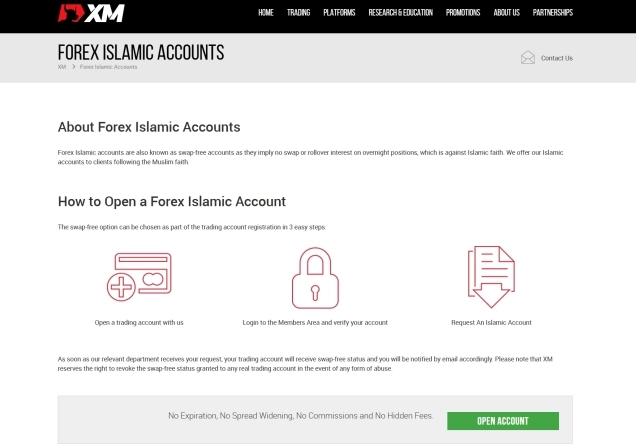
Another popular way to avoid overnight fees is by using a swap-free (Islamic) trading account. Many brokers offer swap-free accounts, which do not charge overnight interest. These accounts are designed to comply with Sharia law, which prohibits the payment or receipt of interest. The way different brokers implement this may differ.

To compensate for the lack of swap charges, some brokers may apply a fixed administrative fee, while others may widen spreads slightly. However, some brokers like XM simply eliminate swap charges and maintain the same fees as the standard accounts.
For traders looking to use Islamic accounts, it is important to review the broker’s terms, as some restrictions may apply. Some brokers make these accounts available only to traders of the Muslim faith; others apply regional restrictions.
Trading Instruments Without Overnight Fees
Certain financial instruments do not incur traditional overnight fees, making them attractive to traders seeking to avoid swaps. Non-leveraged instruments such as spot shares, some exchange-traded funds, cryptocurrencies and futures contracts often fall into this category. In the case of futures, financing costs are usually built into the contract price rather than charged daily.
Some brokers also offer specific instruments, such as gold or major forex pairs, under zero-swap conditions. For example, Exness offers swap-free trading on gold, provided an investor trades mostly during trading hours and does not regularly hold large amounts of orders open overnight. Evidently, choosing the right instrument can significantly reduce or eliminate overnight costs.
Avoiding Triple Swap Days
Most brokers apply triple swap fees once per week to account for weekend rollover, usually on Wednesday for forex pairs. On these days, holding a position overnight results in three days’ worth of swap being charged at once.
By closing trades before the triple swap day and reopening them afterwards, traders can avoid paying multiple days of overnight fees in a single session. This strategy is especially useful for short-term and swing traders who do not need continuous market exposure.
Choosing Brokers With Competitive Swap Rates
Not all brokers charge the same overnight fees. Swap rates vary depending on liquidity providers, instrument selection, and internal broker policies.
Before committing to a broker, traders should compare swap rates across multiple platforms, particularly if they plan to hold positions overnight regularly. Brokers with lower or more transparent swap structures can make a meaningful difference to long-term trading costs.
Common Mistakes Traders Make With Overnight Fees
Many traders lose money unnecessarily due to avoidable errors. These may include:
- Ignoring overnight fees entirely - Many traders focus only on price movement and potential profit while completely overlooking swap fees. Over time, these costs can accumulate, significantly reducing overall returns.
- Holding losing trades overnight - Keeping unprofitable positions open overnight in the hope of a reversal not only increases risk but also adds unnecessary overnight charges, compounding losses.
- Using excessive leverage on overnight positions - Higher leverage increases the size of borrowed capital, which directly raises overnight financing costs and amplifies risk.
- Forgetting about Wednesday triple swap charges - Traders often hold positions through Wednesday rollover without realising that brokers apply triple overnight fees to account for weekend financing, leading to unexpectedly high costs.
Closing Remarks
Overnight fees may seem like a minor detail when placing a trade, but over time, they can quietly erode profits. Managing these fees is a critical component of a professional trading strategy. By adopting practical strategies, traders can significantly reduce or even eliminate these costs. Equally important is avoiding common mistakes, such as ignoring swap fees altogether or holding losing positions overnight.
Ultimately, successful trading is not only about finding profitable opportunities but also about managing costs efficiently. Being aware of overnight fees and actively planning around them allows traders to protect their capital, improve long-term performance, and trade with greater confidence and discipline.



Top-Tier Trusted Brokers
The table below contains links to 3rd party websites of our top partners from whom we receive compensation at no additional cost to you.