









How Many Traders Are There in the World?
Trading has evolved from a specialised profession once reserved for financial institutions into a global movement embraced by millions of individuals. In today’s digital age, anyone with a smartphone and an internet connection can access the world’s financial markets, trading forex, stocks, cryptocurrencies, and commodities from virtually anywhere. Online brokers and mobile apps have made it easier than ever to learn, trade, and invest, transforming trading into both a source of income and a path toward financial independence.
But How Many Traders are There in the World?
In this article, we will attempt to answer this question by examining the estimated number of active traders worldwide and breaking them down by asset class, region, and platform adoption. We’ll also explore what’s fueling this explosive growth, from fintech innovation and mobile accessibility to the rise of decentralised finance and AI-powered trading tools.
Disclaimer About The Number of Traders Worldwide
The following article is for informational purposes only. The figures and estimates presented are based on industry reports, third-party data, and publicly available information, which are subject to variation and change. This content should not be considered as financial or investment advice.
Trading involves significant risk, including the potential loss of your invested capital. You should always conduct your own research and consult with a qualified financial advisor before making any trading or investment decisions. Past performance is not indicative of future results.
The Estimated Number of Traders Worldwide by Category
The global trader population is estimated to exceed 370 million active participants, covering both retail and institutional sectors. This growth reflects the expanding accessibility of online financial markets and the growing appetite for digital investment opportunities worldwide. Let’s break this number down per global market.
Forex trading
Forex trading continues to attract a large and diverse community. Most reports estimate the number of active forex traders in the world to be between 10 to 15 million. The forex market’s appeal lies in its 24-hour accessibility, high liquidity, and low barriers to entry.
Traders from regions such as Asia, Africa, and the Middle East are increasingly drawn to platforms like HFM, Exness, and Pepperstone, which offer user-friendly interfaces, low spreads, low minimum deposits, and educational tools that make forex trading more accessible to both new and experienced traders.

Stock trading and investing
This remains the most widely practised form of market participation, with an estimated range of 160 to 170 million individuals actively buying or selling equities through online brokerage platforms.
Retail access to global stock markets has improved dramatically thanks to trading platforms like Trading 212, eToro, and Webull, which allow even small investors to participate in markets previously dominated by large institutions. The combination of fractional shares, easy mobile access, and social trading communities has made stock investing a mainstream financial habit across North America, Europe, and Asia.
Cryptocurrency trading
While there are hundreds of millions of crypto owners, the number of active traders who buy and sell frequently is closer to 50-100 million, depending on the source and definition of “active.” This market’s appeal lies in its volatility and accessibility.
Anyone with a smartphone and an internet connection can trade crypto assets like Bitcoin, Ethereum, and Solana around the clock. The rise of crypto-friendly brokers such as XM.com, Libertex, and Pepperstone has also bridged the gap between traditional CFD trading and digital assets, offering users a unified experience within regulated environments.
Futures and options trading
This advanced segment of global markets counts between 8 and 10 million active participants. These traders include both institutions and sophisticated retail investors who use derivatives for hedging, speculation, and risk management.
Platforms like IG, Interactive Brokers, and Saxo Bank remain top choices for this category due to their advanced charting tools, deep market access, and professional-grade execution speed.

In Essence
Collectively, these figures highlight a steady and diversified increase in global trading activity. Every asset class, including forex, stocks, crypto, and derivatives, has seen exponential growth over the past five years. This is largely due to the democratisation of trading through digital platforms. Affordable mobile data, user-friendly trading apps, and improved financial literacy have opened the doors for millions of new traders worldwide.
Whether through traditional stock markets or emerging decentralised finance platforms, trading has evolved from a niche practice into a mainstream global phenomenon. But where are these traders located? Let’s break down the number of traders by region.
Regional Breakdown: Where the World’s Traders Are Based
Asia
Asia leads global trading growth thanks to mobile access, fintech innovation, and the rise of low-cost brokerage platforms. China remains the region’s largest market, with an estimated 60 to 70 million active retail traders across stocks, forex, and crypto segments.
India follows with over 35 million active traders, while Indonesia has around 18 million registered investors, and Vietnam reports about 9.2 million securities accounts.
Brokers such as HFM, Exness, and Octa continue to expand their presence across the region, making online trading more accessible and inclusive than ever before.
Europe
Europe remains one of the most mature and tightly regulated trading regions, home to an estimated 50 to 60 million active traders across forex, stocks, and derivatives. Strict oversight from top-tier regulators such as the FCA (UK), CySEC (Cyprus), and BaFin (Germany) ensures high standards of investor protection and market transparency.
Major brokers, including Pepperstone, eToro, and XTB, have a strong footprint in Europe, offering platforms like MT5, cTrader, TradingView or proprietary platforms with ultra-low spreads and fast execution. The region’s robust regulatory framework continues to set the global benchmark for fair and secure online trading environments.

North America
North America blends institutional dominance with a fast-expanding retail sector. In the United States and Canada, around 100 million people hold brokerage accounts, and over 20 million trade actively.
Notably, large investment firms like TD Ameritrade and Webull lead retail equities trading. The region’s combination of advanced trading infrastructure, deep liquidity, and high-tech innovation cements its status as a global market leader.
Africa
Africa’s trading ecosystem is expanding steadily, driven by improving internet access, fintech innovation, and the growing popularity of forex and crypto trading, with an estimated 1.3 million traders. Nigeria leads the continent with over 300,000 retail traders, followed by South Africa with around 190,000 daily active participants and Kenya with roughly 90,000.
While these numbers may seem modest compared to Asia or Europe, they highlight a clear upward trajectory in participation. Brokers such as HFM, Exness, and FBS have established a strong presence in these markets by offering localised support, educational programs, and mobile-friendly trading solutions. As financial literacy improves and regulation matures, Africa is positioning itself as one of the most promising emerging regions for long-term trading growth, with millions more expected to join the markets in the coming years.
Middle East
The Middle East is rapidly maturing as a trading hub. In H1 2025, MENA trading volumes reached about $804.1 billion, with the UAE responsible for roughly 71.7 percent of that total, according to Capital.com and Zawya reporting. Estimates of active forex traders in the region vary by source; one commonly cited figure is about 970,000 traders, but that number is an approximation and depends on the methodology used.
Country-level data show strong retail participation in specific markets. For example, Saudi Arabia recorded roughly 6.9 million individual investors on Tadawul by mid-2025, while Dubai and Abu Dhabi are attracting hedge funds and institutional operations as regulators and infrastructure develop.
Taken together, these data confirm fast growth in trading volumes and participation, but exact headcounts differ by source, so conservative phrasing is recommended when reporting active trader totals.
Latin America
Latin America is home to an estimated 10 to 15 million active traders in 2025, reflecting steady growth across the region’s retail trading scene. Countries such as Brazil, Mexico, and Argentina lead this expansion, supported by rising financial literacy, widespread smartphone use, and easy access to mobile trading apps.
In Brazil alone, there are roughly 6 million registered investors, while Argentina counts over 20 million investor accounts, many of whom are becoming increasingly active in forex and crypto markets.
International brokers like XTB, XM.com, and Exness continue to gain popularity across the region, offering localised platforms, flexible deposits, and accessible trading education. As technology and financial awareness continue to spread, Latin America is emerging as one of the most promising frontiers for retail trading growth worldwide.
What Is The Future of Trading Toward 2030
By 2030, the global trading community is expected to surpass 400 million active traders, driven by technological innovation, mobile adoption, and the rise of new financial ecosystems. Here’s what will shape this transformation:
Massive Growth from Asia and Africa
These regions are poised to lead the next phase of global trading expansion, fueled by explosive smartphone adoption, rapidly declining mobile data costs, and widespread access to digital payment systems.
Growth is further accelerated by local trading communities and “finfluencers” on platforms such as YouTube, TikTok, and Instagram, who drive awareness and channel traffic toward mobile trading apps. As a result, trading is rapidly evolving from a specialised activity into a mainstream financial behaviour, particularly among younger generations.
In Asia, growth is accelerating at an exceptional pace. Brokers such as XM.com and Exness are capturing this momentum by offering region-tailored promotions, multilingual support, and convenient local payment methods that dramatically reduce barriers to entry. Across Africa, HFM is expanding rapidly in high-growth markets including Nigeria, Kenya, and South Africa.
Markets such as Malaysia, Indonesia, Thailand, and India have already seen millions of new retail accounts opened in the past year, with mobile-first accounts becoming the dominant entry point. Low-cost trading options and app-driven platforms have fueled rapid adoption, particularly among younger traders aged 18–35, who now represent a growing majority of new entrants.
Overall, retail trading volumes in Asia and Africa are estimated to have increased by 20–30% over the past 12 months, with annual growth expected to continue at around 25%, positioning these regions among the fastest-growing trading markets globally.

Artificial Intelligence (AI) Integration
AI-powered tools will revolutionise trading by automating strategies, managing risks, and detecting emotional biases. Leading brokers like Pepperstone, HFM, and Exness are already deploying AI-driven analytics, paving the way for a data-informed generation of traders.
The expectation among traders is that within five years, AI features such as automated journaling, predictive analytics, and sentiment tracking will become industry norms.
Tokenisation of Real-World Assets
Tokenised assets will probably expand beyond cryptocurrencies. This will enable traders to own and trade fractional shares of real estate, art, and commodities through blockchain-based systems. This innovation will make traditionally illiquid assets more accessible and tradable.
Blurring Boundaries Between Traditional Investing and Trading
The line between traditional long-term investing in stocks and ETFs and active trading in forex, cryptocurrencies, and other markets will slowly fade.
Hybrid multi-asset brokers such as eToro and XTB now allow traders to invest in real stocks and ETFs while simultaneously accessing forex and CFD markets under a single account. These two brokerage powerhouses, each with millions of users, are at the forefront of this change in the markets. This shift marks a new era of multi-asset brokerage, where investing and trading blend seamlessly.
A New Generation of Traders
The trader of 2030 will be tech-savvy, data-driven, and globally connected. With access to AI-guided bots, decentralised ownership, and multi-asset platforms, they will trade smarter and more strategically than ever before.
In summary, the next decade will redefine what it means to trade. The combination of AI, DeFi, and tokenisation will not only expand access but also enhance strategy, personalisation, and opportunity, ushering in a truly global, interconnected trading future.
Conclusion
The global trading landscape has never been more dynamic or inclusive. With an estimated 330 million traders active in 2025, financial markets are now more accessible, interconnected, and data-driven than ever before. From institutional investors to first-time retail participants, trading has evolved into a truly global phenomenon that empowers individuals from every region to participate in the flow of global capital.
However, success in this fast-paced environment still depends on knowledge, proper risk management, discipline, and emotional control. The traders who thrive will be those who combine strategic thinking with effective risk management and use advanced analytical tools such as Edgewonk and Tradervue to improve their performance.
As artificial intelligence, automation, and mobile platforms continue to transform access and execution, trading is no longer just a profession. It has evolved into a modern financial skill set.


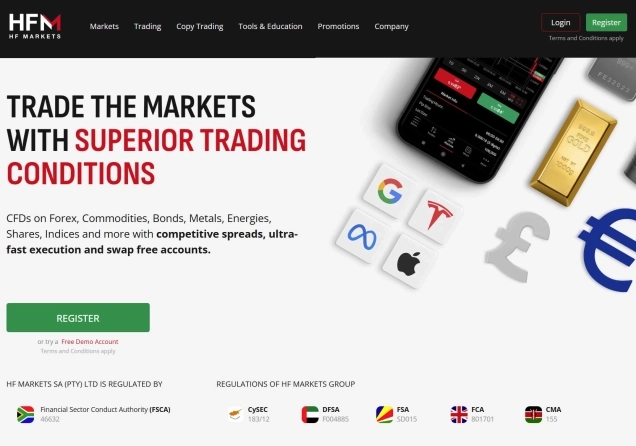
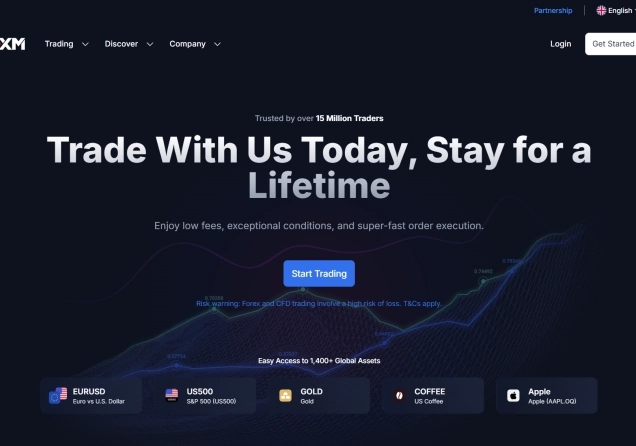
Top-Tier Trusted Brokers
The table below contains links to 3rd party websites of our top partners from whom we receive compensation at no additional cost to you.