







XTB Investment Plans: How They Work and What They Cost
XTB's Investment Plans offer a structured, user-friendly solution for long-term, passive investing. Investors can choose from three options when setting up an Investment Plan. These include ready-made portfolios, sector portfolios, or do-it-yourself portfolios that combine individual stocks and ETFs. This gives traders the convenience of a managed investment service while still allowing them to maintain full control.
But how does the product actually work? In this guide, we will review XTB investment plans and explain how they work. We will look at the three main options available, how to create a plan, Auto Invest, costs, entry thresholds, and country availability.
What Are XTB Investment Plans?
At its core, an Investment Plan is essentially a portfolio that you can build and manage around a specific financial goal, such as retirement or saving for a house. Instead of buying investments individually every time you want to add money, you create a portfolio with your preferred allocation. When you add funds, XTB invests the money according to the structure of your plan. The idea is to make passive investing more straightforward while giving traders a structured way to build their portfolios over time.

You first decide what type of Investment Plan you want. Depending on your preference, you can select a ready-made portfolio, choose a sector-focused plan or build your own portfolio. You then allocate a percentage of your money to the investments within the plan. For example, a Do-It-Yourself investor could decide to allocate 60% to an ETF and 40% to individual stocks.
When you deposit money into the plan, XTB uses your chosen allocation to determine how the funds should be invested. This means you do not have to manually calculate how much of each investment to buy every time you contribute. Traders can run up to 10 different investment plans at a time.
The Three Ways to Build an XTB Investment Plan
XTB offers three different ways to build an investment portfolio, depending on your experience and preferences:
1. Ready-Made Plans
The Ready-Made Plan is for investors who prefer a hands-off approach. Instead of building a portfolio from scratch, you can choose from globally diversified plans that align with your risk profile. The portfolios can range from more conservative options with greater exposure to bonds to more aggressive portfolios focused on equity ETFs.
This plan removes the guesswork from asset allocation, making it easy to start investing with confidence. It can be particularly useful for new investors as it simplifies the decision-making process.
2. Sector Plans
Sector Plans take a different approach. Rather than providing broad diversification across the global market, these portfolios focus on particular industries and investment themes. Examples include areas such as semiconductors, gaming and aviation.
Because these plans concentrate on particular sectors, they can carry more risk than a broadly diversified portfolio. XTB also indicates that these plans can be updated periodically, giving investors the opportunity to adjust the companies included in the portfolio as the sector develops.
3. Do-It-Yourself Plans
The Do-It-Yourself option gives you the most control. Instead of choosing a pre-built portfolio, you select the investments yourself and decide how much of your portfolio each one should represent. This flexibility means you can tailor your investment precisely to your goals, risk tolerance, and trading style. Importantly, XTB allows you to combine stocks and ETFs within the same Investment Plan. It currently offers access to more than 3,400 stocks and 1,800 ETFs.
Your capital is at risk. The value of your investments may go up or down.
How to Set Up a Plan Step-by-Step
Creating an Investment Plan involves a few basic steps.

Step 1: Choose Your Strategy
First, decide how you want to invest. You start by selecting one of the three routes above.
Step 2: Allocate Your Money
This is where you define your portfolio's composition. If you choose a ready-made plan, you can review its existing composition. With a DIY plan, you decide how much of your portfolio should be allocated to each instrument.
Step 3: Deposit Funds
Once your plan is created, you can add money to it. You don't need a large sum to begin. The minimum investment is just £15 or €15, making it highly accessible. There is one important thing to note though. The actual minimum required can vary depending on the instruments selected and their weightings.
Step 4: Invest Automatically
Finally, enable the Auto Invest feature if you want to make recurring contributions to your plan. Choose the amount, frequency and deposit method, and XTB will automatically invest your funds according to the allocation of your Investment Plan. This means you can continue building your portfolio without having to manually allocate each new contribution.
How Much Does XTB Investment Plans Cost?
One of the main attractions of Investment Plans is their relatively simple fee structure. For starters, setting up and running an Investment Plan is free. There is also no commission for buying or selling stocks and ETFs within an Investment Plan as long as your monthly turnover remains within the equivalent of €100,000.
If you exceed this amount, transactions are charged a 0.2% commission, subject to a minimum charge of £10. However, there is another cost to consider. If you buy a stock or ETF in a currency different from your account's base currency, a 0.5% currency conversion fee may apply.
Country Availability
This is one area where investors need to pay close attention to. XTB Investment Plans are not available to every XTB client. At the moment, XTB only offers this service across seven European countries. These include Germany, Spain, Slovakia, the UK, Italy, Romania, and the Czech Republic. This may change over time. As such, we encourage each trader to keep checking whether the service becomes available in their country.
Advantages of XTB Investment Plans
There are several reasons why the product could appeal to long-term investors.
- Low entry requirement - You can start with a relatively small amount, from £15 or €15.
- Automation - Auto Invest allows you to make regular contributions without manually placing every investment.
- Flexibility - You can adjust your investments, add or withdraw funds, and close your plan whenever you choose.
- Diversification - ETFs can provide exposure to multiple companies, markets and sectors through a single investment.
- Multiple plans - You can run up to 10 Investment Plans simultaneously.
Potential Drawbacks of XTB Investment Plans
Despite the advantages, Investment Plans aren't risk-free. There are also a few factors to consider before getting started.
- Investment risk - The value of stocks and ETFs can fall, so there is no guarantee you will make a profit.
- Currency conversion fees - A 0.5% currency conversion fee may apply when investing in stocks or ETFs in a different currency.
XTB’s Credibility
Before investing, it is worth considering the credibility of the company providing the service. XTB is an established broker that has been operating since 2004 and has been listed on the Warsaw Stock Exchange since 2016.

The broker operates through regulated entities in different jurisdictions. Specifically, XTB holds regulatory licenses from the FCA in the UK, the CySEC in Cyprus, the KNF in Poland, and the FSC in Belize, among others. This regulatory structure and its status as a publicly listed company provide a solid layer of transparency around XTB's operations.
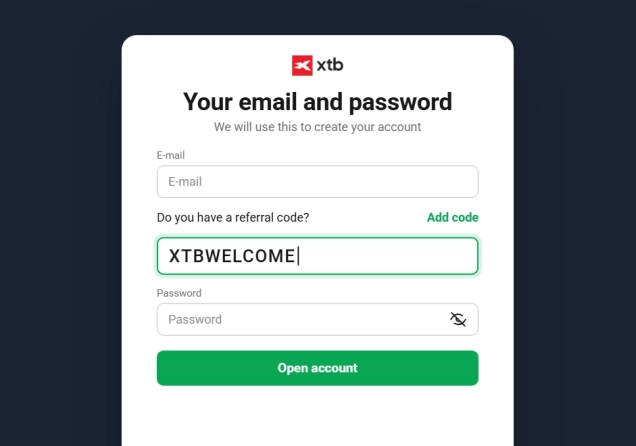
If you decide to open an account, you can also use our XTB referral code to access exclusive benefits through our partnership.
Final Verdict
XTB Investment Plans provide a simple and flexible way to build a portfolio for the long term. Investors can choose between ready-made portfolios, sector-focused plans or a do-it-yourself approach. The level of control that traders gain over their investments will depend on the approach that they choose. The Auto Invest feature makes it easier to contribute regularly without manually allocating every deposit. The low minimum investment and straightforward fee structure make the service accessible.
However, Investment Plans do not remove the risks of investing. Stock and ETF prices can fall, and currency conversion fees may apply when investing in assets denominated in another currency. Overall, XTB Investment Plans could be a useful option for investors looking for a structured way to build a long-term portfolio. Just make sure you check the Investment Plan offering available through your specific XTB entity, as features, currencies and eligibility can vary by country.


Top-Tier Trusted Brokers
The table below contains links to 3rd party websites of our top partners from whom we receive compensation at no additional cost to you.