






Are US30, DJ30, and the Dow Jones the Same Index
When scrolling through a financial news ticker or opening a trading app, you will inevitably encounter three terms that seem to appear interchangeably. These include the Dow Jones Industrial Average (DJIA), the US30, and the DJ30.
At first glance, this can be confusing. Are these three different indices, or are they simply different names for the same thing? The longer answer involves understanding how brokers, trading platforms, and financial institutions label and structure indices for different markets.
In this article, we will answer the question, are US30, DJ30, and the Dow Jones the same index? We will explain their similarities, subtle differences in trading contexts, composition, and why understanding these concepts matters in trading.
What Is the Dow Jones Industrial Average?
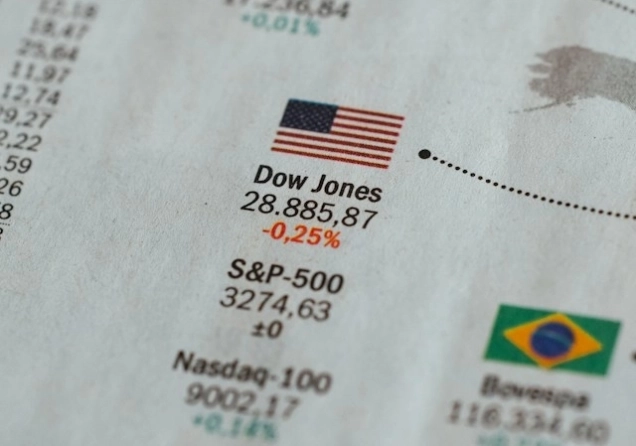
The Dow Jones Industrial Average (DJIA), commonly known as the Dow Jones, is one of the oldest and most well-known stock market indices in the world. It was created in 1896 by Charles Dow and Edward Jones and is often used as a benchmark for the overall health of the U.S. stock market. The index tracks the prices of 30 major publicly traded companies based in the United States, many of which are considered leaders in their respective industries.

Unlike other indices, which are weighted by market capitalisation, the Dow Jones assigns greater influence to companies with higher share prices. This means that a stock trading at a higher price per share will have a larger impact on the index’s movement, regardless of the company’s overall market value.
Although its name includes the word industrial, the Dow Jones is no longer limited to manufacturing or industrial firms. Today, it includes companies from sectors such as technology, finance, healthcare, consumer goods, and energy. As a result, the index provides a broad snapshot of the U.S. economy and is closely followed by investors, policymakers, and financial media worldwide.
What Is US30?
US30 is not an official stock index but rather a trading symbol used by many forex and CFD brokers to represent the Dow Jones Industrial Average. When traders see this symbol on the various brokers that support US30, they are typically trading a CFD that tracks the price movements of the Dow Jones. In essence, US30 mirrors the Dow Jones, but it is packaged as a derivative product for retail traders.
Trading US30 does not involve owning shares in the 30 companies that make up the index. Instead, traders speculate on whether the index price will rise or fall. This derivative structure allows for features such as leverage, short selling, and lower capital requirements, making US30 particularly popular among retail traders.
What Is DJ30?
DJ30 is another commonly used label for the Dow Jones Industrial Average, especially within CFD trading platforms. The name is straightforward. DJ stands for Dow Jones, while 30 reflects the number of constituent companies in the index. Functionally, DJ30 serves the same purpose as US30. That is, it allows traders to speculate on the Dow Jones through a derivative instrument.
The existence of both US30 and DJ30 is primarily due to broker preference and platform conventions. While the names differ, the underlying price movements remain closely aligned, as both instruments are based on the same index.
Are US30, DJ30, and the Dow Jones the Same?
The short answer is yes. US30, DJ30, and the Dow Jones all track the same market, making them fundamentally the same. The Dow Jones Industrial Average is the official index calculated and published by S&P Dow Jones Indices, while US30 and DJ30 are broker-created instruments designed to replicate its price movements.

Any differences in price that traders may notice between US30 and DJ30 are usually minimal and can be attributed to spreads, broker pricing models, or contract specifications rather than fundamental differences in the index itself. From a market exposure perspective, trading US30 or DJ30 is effectively trading the Dow Jones.
Why Do Brokers Use Different Names?
There are several reasons why brokers avoid using the official “Dow Jones” name directly. One key reason is trademark and licensing considerations, as the Dow Jones name is legally protected. Using alternative labels such as US30 or DJ30 allows brokers to offer the product without incurring licensing obligations.
Another reason is standardization across global markets. Many brokers use naming conventions like US30, GER40, or UK100 to represent major national indices in a way that is easily recognizable to international traders. These names are simple, descriptive, and consistent across platforms, making them practical for a global audience.
Trading the Dow Jones via US30 or DJ30
Retail traders cannot trade the DJIA index directly on a stock exchange, since it is a calculated benchmark rather than a tradable security. Instead, most access it through CFDs, futures contracts, or funds/ETFs that track the index.
CFDs offer particularly flexible access to US30 or DJ30 price movements. Traders can go long if they expect the index to rise or short if they believe it will fall, with leverage enabling them to control larger positions using smaller amounts of capital (though this amplifies both potential gains and risks).
The choice of instrument also affects practical trading conditions. While derivative instruments like CFDs and futures typically offer extended trading hours beyond traditional sessions, ETFs generally follow stock exchange operating hours. Regardless of which instrument traders choose, they should carefully review broker-specific conditions, including spreads, overnight swap fees, margin requirements, and available trading hours.
Some brokers offer nearly 24-hour trading on the US30 and DJ30 derivative products, although spreads may widen outside of core market hours. Notably, US30 and DJ30 generally exhibit the highest levels of liquidity and volatility during the New York Trading Session.
Final Thoughts
To conclude, US30, DJ30, and the Dow Jones are different names for the same underlying index, the Dow Jones Industrial Average. The difference lies in how they are packaged and traded at different brokers. For traders, the key considerations should be contract specifications, trading costs, and risk management rather than the name itself.
Once a trader understands this distinction, navigating index trading platforms becomes much simpler. This allows traders to focus on what truly matters, including market analysis, timing, and disciplined execution.



Top-Tier Trusted Brokers
The table below contains links to 3rd party websites of our top partners from whom we receive compensation at no additional cost to you.